

 See My Latest Article on HelloNation
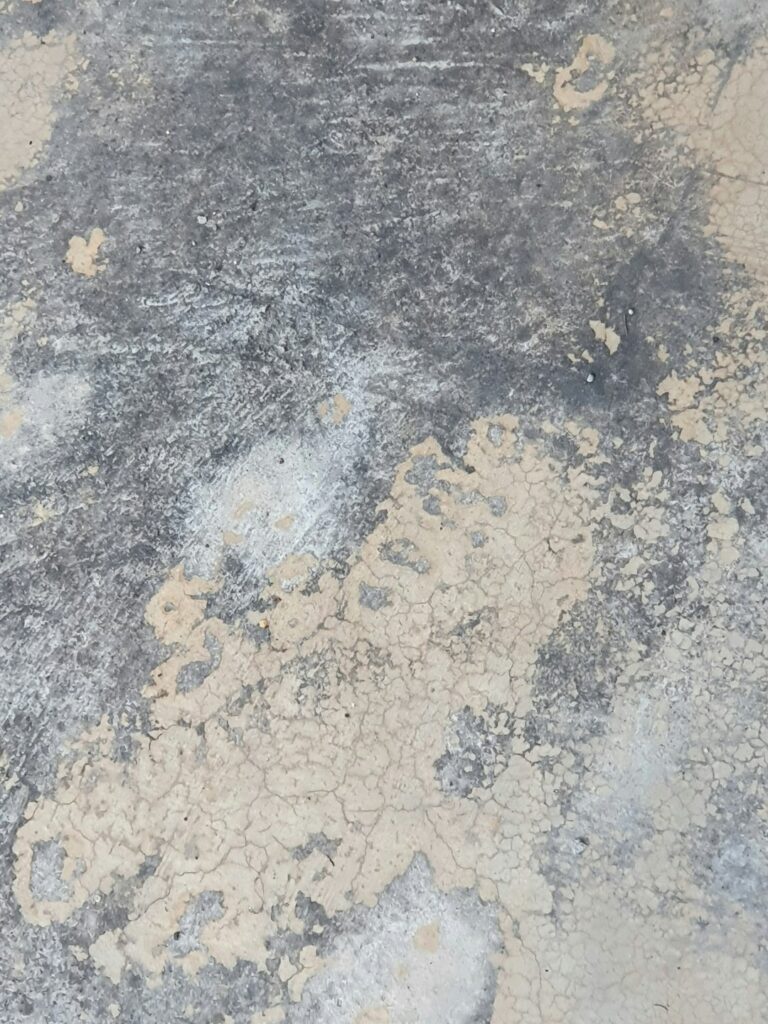
Concrete color often fades because sunlight, moisture, deicing products, dirt, and surface wear gradually change the appearance of the top layer. The right restoration method depends on whether the concrete is merely dirty, lightly faded, stained, or badly worn.
For residents in Madison, WI, freeze-thaw cycles and winter deicing materials can make color loss more noticeable on driveways, sidewalks, patios, steps, and garage approaches. Restoring the appearance is possible in many cases, but color treatments cannot correct every structural or surface problem.
Why does concrete lose its color?
Faded concrete is usually the result of several conditions acting together rather than one single cause. The most common contributors include:
- Ultraviolet sunlight breaking down surface colorants and coatings
- Repeated wetting and drying
- Snow, ice, and freeze-thaw movement
- Salt and other deicing products carried onto the slab
- Abrasion from foot traffic, tires, furniture, and snow removal
- Dirt, algae, rust, leaf tannins, and other surface stains
- Weak or porous surface paste caused by poor finishing or curing
Colored concrete may fade unevenly because different areas receive different amounts of sunlight and moisture. Sections beneath roof overhangs can retain dirt or organic staining, while exposed areas may appear lighter from weathering.
A surface that looks faded may also be covered by residue rather than permanently discolored. Cleaning should generally be tested before applying a new color treatment.
Can faded concrete be recolored?
Yes, faded concrete can often be recolored if the surface is structurally sound and the discoloration is limited to the upper surface. Common options include concrete stains, dyes, tinted sealers, and cement-based overlays.
These methods do not all behave the same way:
- Concrete stains soak into the surface and create transparent, varied color. Acid-based stains can produce mottled or earth-toned results, while water-based stains offer a broader color range.
- Concrete dyes produce stronger, more uniform color but may be less resistant to exterior ultraviolet exposure unless protected properly.
- Tinted sealers add color while forming a protective film. They can refresh a slab efficiently, but they may peel or wear if the surface is damp, contaminated, or poorly prepared.
- Cement-based overlays add a thin new surface layer and can change the appearance more substantially. They are useful when the original surface is worn but still stable.
Recoloring is not the same as returning concrete to its original factory appearance. Finished results may have variation, especially on older slabs with patches, cracks, previous repairs, or uneven porosity.
Should faded concrete be cleaned first?
Yes. Cleaning is usually the first practical step because dirt and residue can make concrete appear more faded than it really is.
Begin with a small, inconspicuous test area. A mild concrete-safe cleaner and a stiff nylon brush may be sufficient for ordinary dirt. Pressure washing can help, but excessive pressure or a narrow spray tip can remove weak surface paste and leave visible streaks.
Different stains require different approaches:
- Organic growth may respond to a cleaner intended for algae or mildew.
- Rust often requires a treatment specifically formulated for iron staining.
- Oil and grease may need an absorbent material or degreasing process.
- White mineral deposits may be efflorescence rather than fading.
- Salt residue may require repeated rinsing and gentle agitation.
Avoid assuming that stronger chemicals will produce a better result. Harsh acids, concentrated cleaners, or improper mixtures can lighten the surface, damage nearby plants, etch concrete, or create uneven areas that become more visible after recoloring.
The slab must dry completely before staining, dyeing, sealing, or applying an overlay. Moisture trapped in the concrete can interfere with adhesion and may cause cloudy, blotchy, or peeling results.
What is the difference between stain, dye, and tinted sealer?
The main differences are how deeply the material affects the surface, how much color variation it creates, and how it wears.
Stain is generally a good choice when a natural, somewhat varied appearance is acceptable. It does not hide every mark or repair. Existing concrete characteristics often remain visible through the color.
Dye is better suited to stronger color changes and more consistent coverage. Exterior applications need careful protection because some dyes can fade more quickly under sunlight.
Tinted sealer can provide a more opaque refresh, especially when the original color has become dull. However, it forms a coating, so preparation is critical. Sealer applied over dust, salts, oil, or trapped moisture may fail prematurely.
Overlay systems are used when the surface has widespread cosmetic wear, shallow scaling, or mismatched repairs but remains stable. An overlay cannot compensate for movement, major cracking, drainage problems, or a failing base.
How should concrete be prepared before recoloring?
Preparation often determines whether the new color looks even and lasts through seasonal weather.
Remove loose material and clean the entire section rather than treating only the most visible faded spots. Spot treatment can create noticeable color differences. Mask adjacent siding, masonry, metal, landscaping, and painted surfaces as needed.
Small cracks and damaged edges should be assessed before coloring. A repair compound may not accept stain or sealer in the same way as the surrounding concrete, so repaired areas can remain visible. Deep cracks, settlement, heaving, exposed aggregate, and widespread scaling indicate conditions that color alone will not solve.
The surface should be sound, clean, and appropriately textured. Very smooth concrete may need light mechanical preparation, while weak or powdery concrete may not provide a reliable base for a coating.

Temperature and weather also matter. Exterior products generally need a suitable range of air and surface temperatures, several hours without rain, and enough drying time before overnight moisture or freezing conditions. In Madison, seasonal timing is especially relevant because late fall applications may not cure properly before cold, damp weather arrives.
How can homeowners avoid blotchy color?
Uneven color usually results from inconsistent absorption, incomplete cleaning, moisture differences, or overlapping application marks.
For a more consistent appearance:
- Test the chosen product on several areas with different exposure and wear.
- Use the same preparation process across the entire slab.
- Apply thin, controlled coats rather than trying to achieve full coverage at once.
- Maintain a wet edge when the product instructions require it.
- Avoid applying color to visibly damp concrete.
- Do not change products or dilution ratios partway through the project.
- Use a compatible sealer after the color has cured, if required.
A sample area should be observed after it dries and, when applicable, after the protective sealer is applied. Wet concrete can look much darker than the finished surface.
Will sealing prevent future fading?
A compatible sealer can slow color loss, reduce water absorption, and make routine cleaning easier. It cannot stop all fading, especially on surfaces exposed to strong sunlight, traffic, snow removal, and deicing materials.
Exterior concrete may require periodic maintenance, but reapplication should not be based on a fixed calendar alone. Applying new sealer over layers that are peeling, cloudy, or contaminated can make the appearance worse. The surface should be cleaned and evaluated first.
Film-forming sealers may create a noticeable sheen, while penetrating products typically change the appearance less. The choice should match the desired look, slip resistance, exposure, and condition of the slab.
When is recoloring not enough?
Color restoration is mainly cosmetic. It is unlikely to solve problems such as:
- Significant settlement or lifted sections
- Repeated heaving from frost or poor drainage
- Deep structural cracks
- Widespread scaling or crumbling
- Exposed reinforcement
- Loose concrete that continues to shed
- Standing water caused by an incorrect slope
- A weak surface that produces dust under light traffic
In these situations, applying stain or sealer may briefly improve the appearance while leaving the underlying problem unchanged. Removal and replacement may be more appropriate when the concrete is unstable, unsafe, or too deteriorated to support a new surface treatment.
For ordinary fading, however, careful cleaning, realistic color selection, sound preparation, and suitable protection can often make an older slab look more even and better maintained without replacing the entire section.