
 See My Latest Article on HelloNation
Why Do Concrete Cracks Form in Madison, WI?
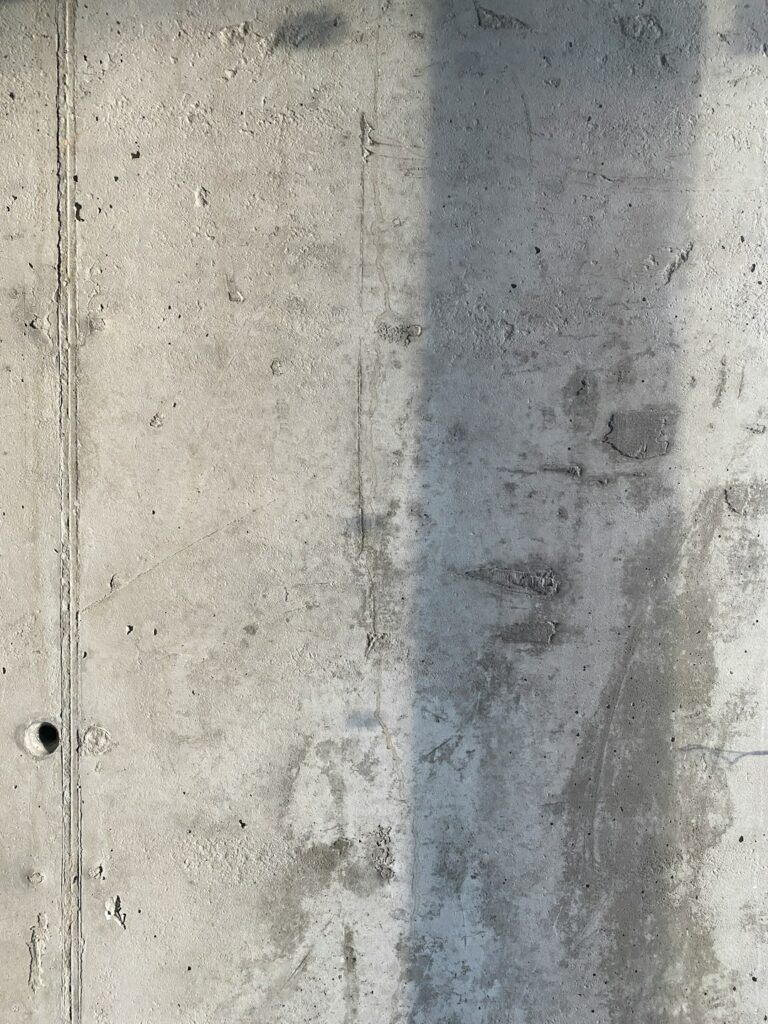
Concrete cracks are a routine sight for many homeowners throughout Madison, WI, especially after freeze-thaw cycles in spring or heavy moisture changes across the seasons. Water seeping into concrete, followed by freezing temperatures, causes expansion and contraction. Over years, daily temperature swings, ground movement from nearby tree roots, road salts, and general settling force the material to crack.
Homes in the city often have driveways, sidewalks, patios, and basement floors made of concrete. Even newer properties in local subdivisions can experience cracks after a single harsh winter or from minor settlings common to local clay soils.
Is It Safe to Repair Concrete Cracks Yourself?
Small, narrow concrete cracks (typically less than 1/4 inch wide and not associated with major settling or heaving) can often be safely and effectively repaired by homeowners. Repairs help reduce water infiltration that can worsen damage during cold seasons and minimize trip hazards.
Cracks wider than 1/2 inch, those accompanied by uneven surfaces, or ones causing water leaks into basements are best evaluated further. Large structural issues or unusual patterns, such as widespread sinking or bowing, may signal foundation problems that require specialized assessment.
What Tools and Materials Do You Need?
For most DIY repairs, only simple tools and affordable materials are required:
- Safety glasses and gloves
- A wire brush to clean out debris
- Shop vac or stiff broom for dust and loose particles
- Concrete crack filler (often available as liquid, caulk, or patching compound)
- Trowel or putty knife for spreading material
- Chisel and hammer for widening deep cracks (if necessary for better bonding)
- (Optional) Concrete bonding adhesive for older or weathered surfaces
Local hardware stores often carry a variety of premixed crack fillers suitable for sidewalks and driveways.
How Should Homeowners Prepare Cracks for Repair?
Thorough preparation is critical for a lasting patch. All loose debris, dust, old sealant, weeds, and dirt must be removed. Clean the crack with a wire brush and sweep or vacuum it out completely. For deep or jagged cracks, gently undercut the sides with a chisel. This helps new filler material anchor firmly rather than just sitting on the surface.
For cracks larger than hairlines but less than 1/2 inch wide, wet the area slightly before adding filler; this improves adhesion. If the crack is very narrow, use a bottle or squeeze tube crack filler designed to flow into tight spaces.
What Are the Steps for Filling and Finishing Cracks?
Most crack fillers are straightforward to apply:
1. Squeeze or pour the filler gradually along the crack, pressing it in with a putty knife or trowel.
2. Smooth the surface level with surrounding concrete, feathering edges neatly for safety and appearance.
3. For deeper cracks, apply filler in layers, letting each layer set briefly before adding the next until the crack is filled to the surface.
4. Allow the recommended cure time before exposure to foot or vehicle traffic, typically from several hours up to 24 hours depending on temperature and product instructions.

Avoid working during heavy rain or when temperatures are below 50°F, as moisture and cold can prevent the patch from bonding or curing correctly.
When Is Concrete Crack Repair Most Effective in This Region?
The best times for crack repairs in Madison are spring and early fall, when temperatures are mild, and the risk of rain and sudden freezes is lower. Summer heat can cause rapid drying, sometimes leading to shrinking or poor bonding, while late fall repairs may not cure fully before winter moisture and freezing stress the patch.
Try to address new cracks as soon as they’re discovered, especially before winter to prevent water from expanding the damage as it freezes.
Common Misconceptions About DIY Concrete Crack Repair
Some homeowners believe cracks in outdoor concrete are purely cosmetic and will not worsen. In reality, ignoring cracks allows water penetration, leading to further freezing damage, surface scaling, and wider cracks over time. Another misconception is that all cracks require immediate replacement of the slab. Properly repaired cracks can slow deterioration and add years to driveway or sidewalk life.
Many also underestimate the importance of cleaning: simply pouring filler into a dirty or damp crack often leads to patch failure within a season, repeating the process unnecessarily.
What Should You Watch Out For After Repair?
After repairing, inspect the area again after heavy rains, thaws, or the following spring. Expansion and contraction can reopen cracks, especially on sloped driveways or spots facing frequent de-icing or lawn watering. Reapply sealer as needed for ongoing protection.
Large cracks returning quickly, sloping or shifting concrete, or water consistently pooling nearby may indicate underlying drainage or settlement issues needing closer attention.
Can DIY Repairs Improve Safety and Appearance?
Prompt crack repair can prevent the widening of gaps that pose trip hazards on walkways or steps. Filling even small cracks helps keep outdoor living spaces and entry paths safer, especially for children and older adults.
For visible spots, colored or texture-matching fillers blend in more naturally, improving the look of patios and driveways and keeping surfaces easier to clean throughout the year.
Are There Local Regulations for Concrete Repairs?
For most minor crack repairs on private property, no permit is needed in Madison. However, for repairs extending to public sidewalks, aprons, or curbs, residents should review city guidelines. The city’s requirements may affect how work is performed on or near public right-of-ways, particularly for larger repairs or complete slab replacements.