

 See My Latest Article on HelloNation
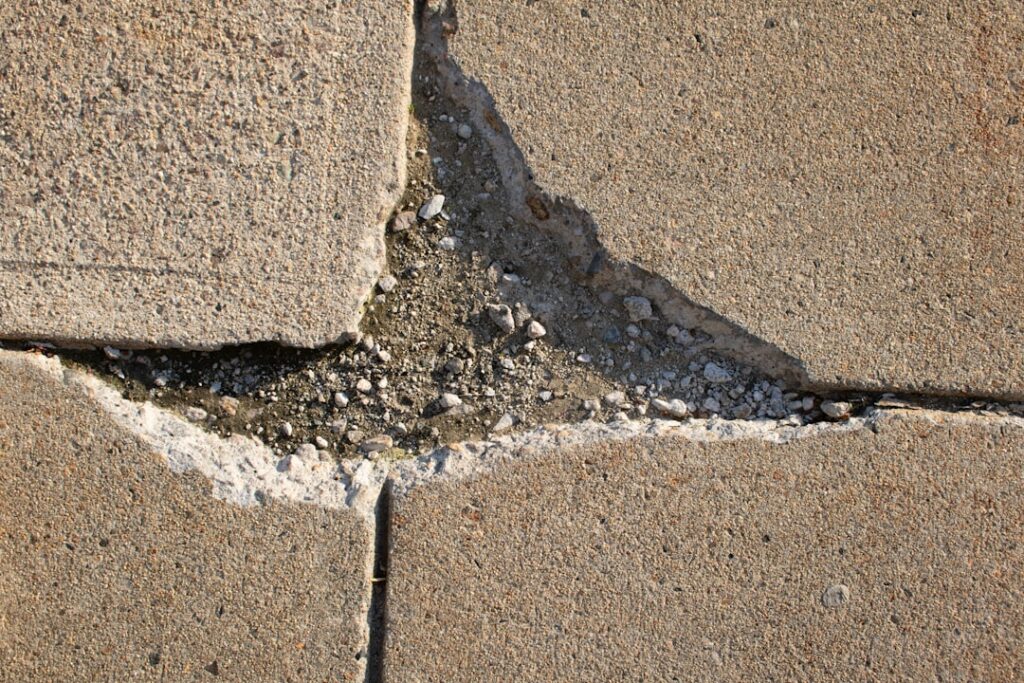
What Causes Concrete to Break Down in Madison, WI?
Concrete is a durable material, but in Madison, WI, the combination of weather, soil, and daily use can gradually damage even the best installations. Deterioration typically results from cycles of freezing and thawing, moisture issues, chemical exposure, or poor work during pouring and curing. Understanding these causes helps local residents recognize problems early, preserve surfaces, and decide when removal or replacement might be necessary.
How Do Freeze-Thaw Cycles Impact Concrete in the City?
Winter freeze-thaw cycles are a leading cause of concrete cracking and spalling in Madison, WI. Water seeps into tiny pores or cracks and expands as it freezes, exerting pressure inside the concrete.
- Repeated thawing and freezing over months or years widens cracks and can cause chunks of surface material (spalling) to break away.
- Sidewalks, driveways, and patios are especially vulnerable due to direct exposure.
- Salt and deicers used to manage ice can worsen surface breakdown, especially if products are not labeled “concrete-safe.”
This pattern of damage is often worse where outdoor concrete isn’t properly sealed or sloped for good drainage.
Why Does Water Damage Concrete?
Uncontrolled water is one of the most common drivers of deterioration. In the local climate, heavy rain, melting snow, and pooling water accelerate concrete wear.
- Standing water can slowly erode the surface, especially if joints or edges aren’t protected.
- If water runs beneath the slab, it can erode the underlying soil or gravel, making slabs uneven or causing “settling” cracks.
- Basement floors or foundation walls can develop leaks or damp spots when outside water finds its way in, sometimes leaving white mineral stains called efflorescence.
Proper drainage and well-placed gutters help keep water away from concrete surfaces, reducing long-term risk.
Can Road Salt and Chemicals Harm Concrete?
Deicers—especially rock salt (sodium chloride)—are widely used on city sidewalks and driveways, but their benefit comes with a cost. These chemicals can:
- Attract extra moisture to the concrete surface and speed up the freeze-thaw cycle.
- Leave corrosive residues that damage reinforcement or deteriorate the paste linking the concrete.
- Especially impact new or unsealed concrete, which is more porous in the months after pouring.
Alternatives like sand, or safer deicers labeled “for concrete,” may reduce damage, but none are entirely risk-free.
Does Subsurface Movement Affect Concrete Longevity?
The ground beneath concrete in Madison contracts during cold spells and expands when it thaws, a process known as frost heave. Shifting soil and seasonal changes are routine locally and can move slabs out of alignment or cause cracks.
- Walkways, driveways, and patios built on poorly compacted or clay-heavy subgrade are more susceptible to shifting.
- Tree roots growing under or near slabs can also lift and break up concrete, especially in older neighborhoods with mature landscaping.
Routine inspection of high-traffic areas can help spot these problems before they worsen.
How Do Installation and Curing Mistakes Contribute to Early Failure?
Poor workmanship or rushing during construction leads to lasting problems. Deterioration can set in even before the first winter:

- Adding too much water to the concrete mix weakens the surface, making it soft or powdery (dusting).
- Not using enough expansion or control joints increases the chances of uncontrolled cracking as the slab contracts in cold weather.
- Inadequate curing—especially if the concrete loses moisture too quickly—can make it difficult for the slab to develop maximum strength or resist surface scaling.
Such issues may show up as surface flaking, uneven coloration, or unexpected cracking that doesn’t follow joint lines.
What Role Do Everyday Loads and Wear Play?
Normal household and city traffic also stress paved surfaces over time. In Madison’s neighborhoods, the most common wear patterns come from:
- Vehicles repeatedly driving or parking in the same spot, especially if the concrete wasn’t designed for heavy loads.
- Snow plows and shovels scraping the surface, which can remove the smoother top layer of finished concrete (the “cream”).
- Mower blades or lawn tools hitting corners and edges, leading to chips or cracks.
Minor damage may be cosmetic at first, but over several winters, these areas will deteriorate faster.
Are There Unique Local Factors Residents Should Consider?
Several environmental and lifestyle factors are specific to the area:
- Madison’s clay- and silt-heavy soils are especially prone to shifting, requiring attentive base prep before new pours.
- City sidewalk and driveway replacement may be subject to local schedules, ordinances, or repair guidelines depending on block or neighborhood.
- The region experiences frequent freeze-thaw cycles each season, making even new installations susceptible if not maintained.
Keep in mind: early signs of trouble are best caught during routine seasonal checks, particularly in spring after thaw, and again as winter approaches.