

 See My Latest Article on HelloNation
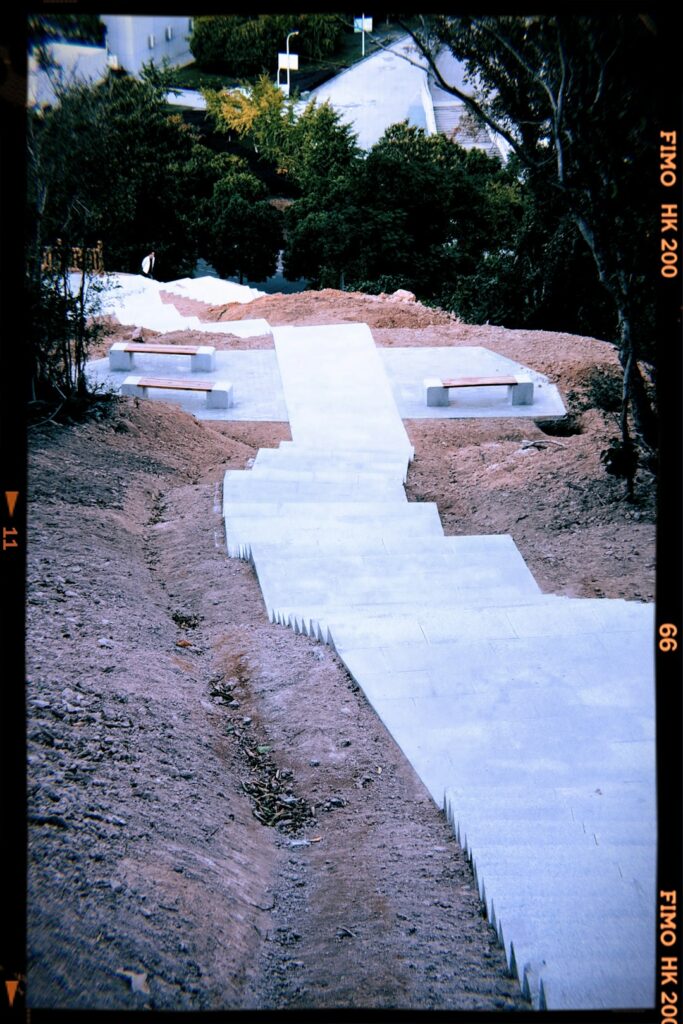
Concrete mix selection affects more than how quickly a project sets. The right mixture must match the project’s size, expected loads, exposure to moisture, and the repeated freezing and thawing common in Madison, WI.
A small repair may need a different product than a new walkway, garage slab, stair landing, or driveway. Understanding the differences helps prevent cracking, surface scaling, weak edges, and premature replacement.
What type of concrete mix is best for most home projects?
For many residential slabs and walkways, a standard air-entrained concrete mix designed for exterior use is a practical choice. A compressive strength around 3,500 to 4,000 pounds per square inch is commonly suitable for sidewalks, patios, steps, and light-duty slabs when the base, thickness, drainage, and curing are also properly handled.
The strength number alone does not determine durability. A mix with good freeze-thaw resistance, properly sized aggregate, suitable air entrainment, and adequate curing may perform better than a higher-strength mix that was placed poorly or diluted with excess water.
Common home-project categories include:
- General-purpose concrete: Suitable for footings, walkways, patios, small slabs, and other routine work.
- High-early-strength concrete: Reaches useful strength faster, but still requires proper curing and protection from freezing.
- Crack-resistant or fiber-reinforced concrete: Contains synthetic or other fibers that can help control some shrinkage cracking.
- Repair mortar or patching mix: Intended for shallow repairs, damaged corners, steps, and small areas rather than full-depth replacement.
- Rapid-setting repair concrete: Useful when a repair must return to service quickly, although it can be less forgiving during mixing and finishing.
Why does air-entrained concrete matter in Madison?
Air entrainment creates a network of very small, intentionally formed air bubbles within the hardened concrete. These spaces give freezing water room to expand, improving resistance to freeze-thaw damage.
This matters for exterior concrete exposed to snow, standing water, repeated temperature changes, and deicing materials. Walkways, garage aprons, stoops, steps, and driveways are especially vulnerable because they may become saturated before freezing.
Air entrainment is not the same as accidentally trapping large air pockets. Properly distributed microscopic bubbles improve durability, while large voids caused by poor consolidation can weaken the concrete.
A suitable exterior mix should be identified as air-entrained or intended for freeze-thaw exposure. Adding extra water at the job site can disturb the mixture’s designed properties and increase the risk of scaling, dusting, and cracking.
Is a 3,000-psi mix enough for a driveway or patio?
A 3,000-psi mix may be adequate for some residential applications, but the answer depends on exposure and expected use. Patios and pedestrian walkways may not need the same design considerations as driveways or areas supporting heavier vehicles.
For an exterior driveway, a stronger air-entrained mix is often selected because the concrete must handle vehicle loads, moisture, winter conditions, and deicing exposure. Thickness and subgrade preparation are equally important. A strong mix poured over soft, frozen, muddy, or poorly compacted soil can still fail.
A patio used only for foot traffic has different demands than a slab supporting a hot tub, masonry structure, or vehicle. The mix should be selected based on the actual use rather than choosing the highest strength available.
What is the difference between bagged concrete and ready-mix concrete?
Bagged concrete is convenient for small repairs and limited pours. It is mixed on site, usually with a portable mixer or by hand, and is practical for post bases, small pads, isolated steps, and minor replacement areas.
Ready-mix concrete is delivered in larger quantities and is generally more consistent for slabs, driveways, long walks, and projects where a continuous pour is needed. A truck delivery can reduce the risk of cold joints caused by mixing separate batches at different times.
Bagged products vary by purpose. A product labeled “concrete mix” generally contains cement, sand, and coarse aggregate. “Mortar mix” is usually intended for masonry joints and should not be substituted for structural concrete. “Sand mix” lacks coarse aggregate and is better suited to thin overlays or specific repair applications.
Always check the product’s intended thickness and application. Some rapid-setting or repair products are not designed for large slab placements.
Does fiber-reinforced concrete prevent cracks?
Fiber reinforcement can help control certain small shrinkage cracks, but it does not make concrete crack-proof. Concrete naturally shrinks as it dries and may move as temperatures change.
Fibers are distributed throughout the mix and can help hold small cracks together. They do not replace:
- Proper control-joint placement
- A stable, well-compacted base
- Correct slab thickness
- Reinforcing steel or welded wire reinforcement when structural support requires it
- Good drainage and edge support
- Proper curing
A common misconception is that fibers eliminate the need for joints. They do not. Control joints help guide where shrinkage cracks are most likely to occur.
When should a fast-setting mix be used?
Fast-setting concrete can be useful for small repairs, fence-post footings, utility pads, and situations where the area must return to service quickly. It generally provides less working time, so preparation should be complete before mixing begins.
Fast-setting products are not automatically better for large slabs. A large pour requires enough time to place, strike off, edge, joint, and finish the surface consistently. A mixture that sets too quickly may create uneven texture, cold joints, or finishing problems.
Cold weather also affects set time. Lower temperatures may slow hydration, while accelerating admixtures can shorten working time. Product instructions should be followed closely rather than adding extra cement or water to change the set.
Can concrete be poured during cold weather?

Fresh concrete must be protected from freezing during its early curing period. If newly placed concrete freezes before developing sufficient strength, the internal structure can be damaged permanently.
In Madison, exterior pours are usually planned around seasonal temperature patterns, but a warm afternoon does not guarantee safe conditions. Overnight temperatures, frozen ground, wind, precipitation, and the seven-day forecast all matter.
Cold-weather precautions may include:
- Placing concrete only on unfrozen, properly prepared ground
- Using materials and methods suited to the expected temperature
- Insulating the surface and edges
- Preventing early freezing without rapidly drying the concrete
- Avoiding sudden heating or cooling
- Following the mix manufacturer’s curing instructions
Deicing salt should not be used casually on young concrete. The surface needs time to mature before being exposed to repeated salt, moisture, and freezing cycles.
What mix is best for replacing damaged concrete?
For full-depth replacement, the replacement mix should generally match the project’s exposure and intended use rather than simply matching the old concrete’s appearance. Exterior replacement sections should typically use air-entrained concrete suitable for freeze-thaw conditions.
Before selecting a mix, examine why the original concrete failed. Surface scaling may point to poor finishing, excess water, inadequate air entrainment, or deicer exposure. Settlement may indicate base or drainage problems. Wide structural cracks may reflect movement below the slab or insufficient support.
Replacing the concrete without correcting the underlying cause can lead to the same problem returning.
For sidewalk, driveway-apron, or other work connected to public right-of-way, local permit and construction requirements may apply. The city’s rules can differ depending on the location and type of work.
What should homeowners check before ordering concrete?
A reliable mix decision starts with a few practical questions:
- Will the concrete remain outdoors year-round?
- Will it be exposed to snow, standing water, or deicing products?
- Will it support pedestrians, vehicles, equipment, or a heavy feature?
- How thick will the pour be?
- Is the base soil stable, compacted, and free of frost?
- Is the project small enough for bagged mix, or does it require a continuous ready-mix pour?
- How much working time is available for placement and finishing?
- Can the new concrete be protected during curing?
The best concrete mix is the one suited to the exposure, load, placement conditions, and maintenance requirements. For most exterior residential work, freeze-thaw durability, proper air entrainment, a sound base, controlled joints, and careful curing matter just as much as the advertised strength rating.