

 See My Latest Article on HelloNation
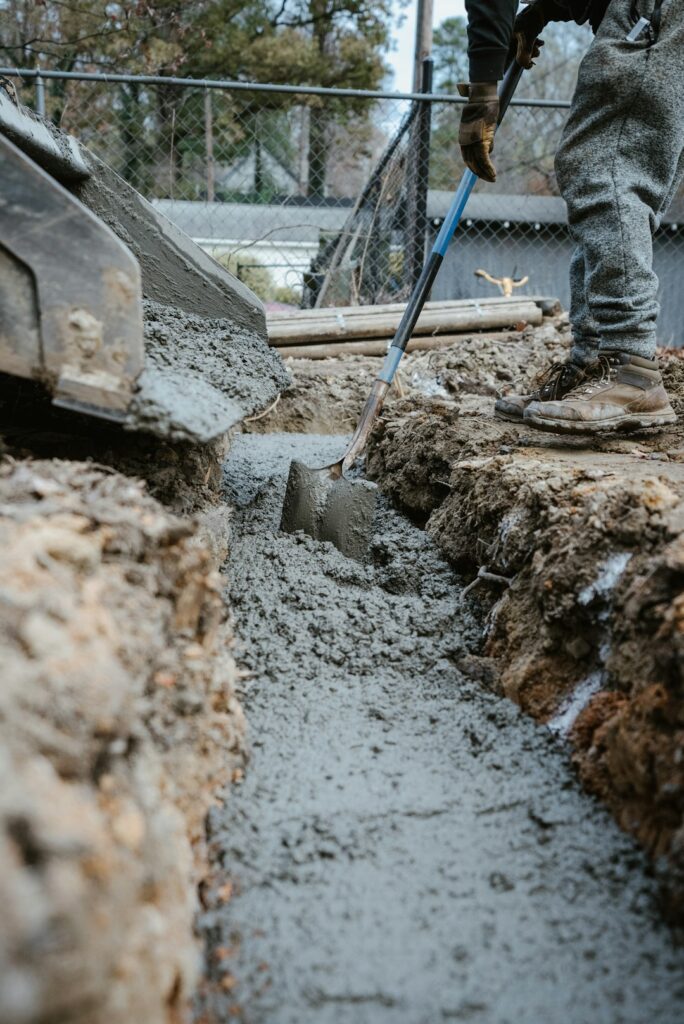
What Causes Concrete Slabs to Become Uneven?
Uneven concrete is a common issue for many properties in Madison, WI, particularly due to the region’s freeze-thaw cycles, soil movement, and moisture fluctuations. In simple terms, slabs shift or sink when the soil beneath them changes, often because of water washing away support or the ground freezing and expanding in winter.
Major causes include:
- Seasonal freezing and thawing that lifts or settles parts of a slab
- Erosion or compaction of soil under walkways, driveways, or patios
- Tree roots pushing sections of concrete upward
- Poor original installation without proper sub-base preparation
Understanding the underlying cause is crucial because it determines whether repair, leveling, or full replacement will provide a lasting solution.
How Can Uneven Concrete Affect Safety and Function?
An uneven surface creates tripping hazards, collects water in low spots, or causes difficulties for rolling items like strollers or wheelchairs. In areas like driveways, unevenness can strain vehicle tires or frames. Left unchecked, these problems may grow as cracks widen or slabs tilt further due to continued soil movement, especially after wet springs or heavy snowmelt.
For households with older adults or young children, exposed edges and sudden height differences are a genuine safety concern during icy Madison winters. Water pooling on sunken slabs can also turn into slick ice patches overnight.
Can You Fix Minor Slab Unevenness Yourself?
Small height differences (generally less than half an inch) may sometimes be addressed by do-it-yourself options:
- Filling narrow gaps and cracks with a flexible concrete sealant to prevent water infiltration
- Grinding down slightly raised edges with a masonry grinding tool for smoother transitions
However, for anything larger or involving shifting soil, most homeowners will be better off exploring more substantial repair options. Removing tripping hazards is only a surface fix if the ground is still unstable underneath.
What Are the Main Options for Repairing or Replacing Uneven Concrete?
The right approach depends on the degree of unevenness, slab condition, and underlying soil stability. Typical options include:
Slabjacking (Mudjacking) and Polyjacking
These techniques inject material beneath a sunken slab, lifting it back to a level position. The method is often used for sidewalks, patios, and garage floors where the concrete is still in good condition but has settled unevenly.
- Slabjacking uses a grout slurry of sand, cement, and additives
- Polyjacking (or polyurethane foam injection) uses expanding foam that fills voids and raises the slab
Both methods are usually less disruptive than full replacement, and are most effective when the concrete itself has not cracked extensively or deteriorated. It takes only a few hours and is typically ready for use the same day, but is best suited for situations caused by minor soil settling rather than ongoing drainage issues.
Concrete Grinding

Grinding can smooth small height differences and is primarily used for raised sidewalks or trip hazards between adjacent slabs. It doesn’t address underlying soil movement but can be practical where only a minor lip (less than two inches) separates two otherwise stable slabs.
Full Removal and Replacement
If the slab is severely cracked, crumble-prone, or the settling is extensive enough to affect function (such as water flowing toward a foundation), full removal and replacement may be the most reliable long-term solution. Excavation provides a chance to correct sub-base issues—such as adding gravel for drainage or compacting the soil—to reduce the risk of future movement.
The process takes longer and temporarily restricts use of the area but provides the opportunity to address chronic or structural problems that other methods cannot resolve.
Do Local Factors Make Uneven Concrete More Common in Madison, WI?
Yes, the area’s climate, soil types, and construction patterns all play a role. Madison experiences multiple freeze-thaw cycles each winter, which can heave and shift slabs seasonally—even when concrete is properly installed. Spring melt can lead to water pooling and soil erosion, especially around homes with clay or loamy soils that tend to move under pressure. Mature trees common in older neighborhoods may push up walkways with roots, while homes built on fill or re-graded lots may experience settling for years after construction.
Homeowners sometimes overlook drainage as a factor: Downspouts or yard grading that direct water under walks or drives can wash out the supporting soil, eventually leading to unevenness.
Are There City Regulations or Codes to Consider?
While most minor repairs are the homeowner’s responsibility, the city does have regulations regarding sidewalk safety and public hazards. If a sidewalk or driveway apron creates a tripping hazard, property owners may be responsible for repairs to comply with local ordinances. Before starting major removal or replacement projects, it’s wise to check for permit requirements or guidance on sidewalk slopes and accessibility to avoid future issues.
How Can You Prevent Future Slab Movement?
Prevention strategies can help extend the life of repaired or replaced concrete:
- Direct water away from slabs using proper grading and downspout extensions
- Avoid planting trees too close to walkways or driveways
- Monitor for pooling water or rapid soil erosion, especially after storms or snowmelt
- Ensure contractors use adequately compacted sub-base and the correct concrete mix for local weather extremes
Being proactive about drainage and soil stability goes a long way toward reducing the risk of repeat problems, especially in a climate like Madison’s, where environmental stress on concrete is high.