

 See My Latest Article on HelloNation
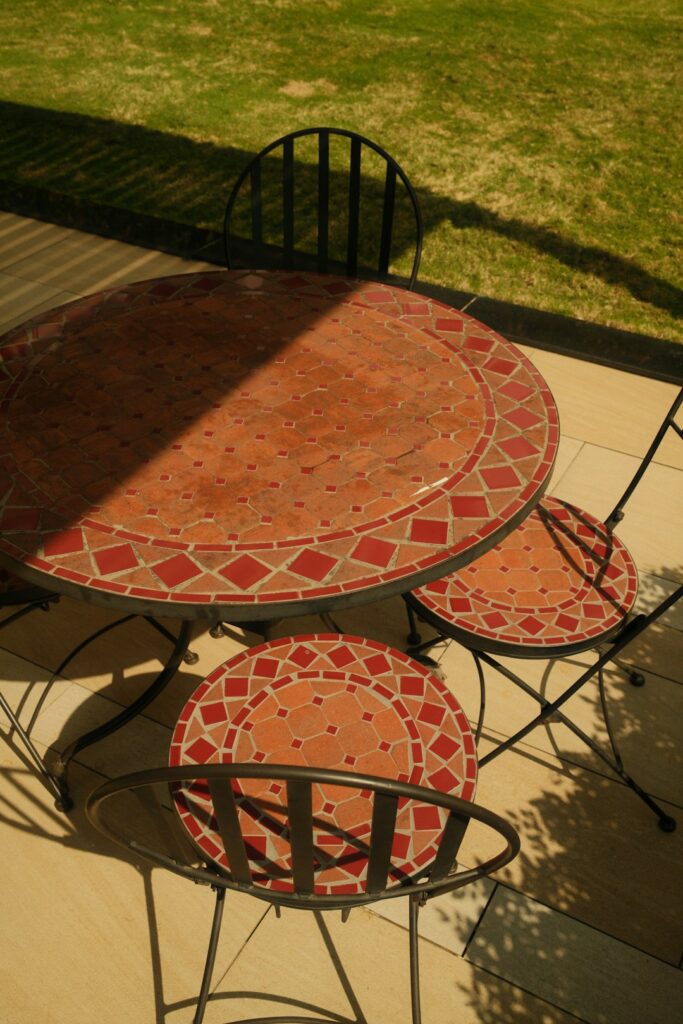
What Is Stamped Concrete and Why Do People Choose It?
Stamped concrete is a decorative paving option that uses texture and color to mimic the appearance of materials like brick, stone, or tile. It’s cast in place, then imprinted with patterns while wet. This technique is popular among residents of Madison, WI who want the look of more expensive surfaces—like natural stone patios or walkways—at a comparatively lower cost.
Homeowners often opt for stamped concrete on driveways, patios, pool decks, and entryways mainly because it can be customized in a wide variety of patterns and tones. Its seamless look and the broad range of finishes make it attractive for many residential settings in the community.
What Advantages Does Stamped Concrete Offer to Madison Residents?
Stamped concrete brings several practical and aesthetic advantages, especially in a climate that cycles through freezing winters and wet seasons.
Notable benefits include:
*Custom Appearance*
Stamped concrete provides a wide selection of colors and patterns that can suit both older historic homes and modern construction typical in the area.
*Cost Efficiency*
For projects where the look of stone, brick, or slate is desired, stamping is often less expensive to install compared to real masonry.
*Reduced Weed Growth*
Because stamped concrete forms a continuous slab, it’s less likely to develop gaps where weeds and grass can grow, unlike traditional pavers.
*Relatively Low Maintenance*
A sealed surface is easier to sweep or rinse clean, and seasonal maintenance is simpler compared to surfaces with grout joints.
*Durability*
When properly installed and cared for, stamped concrete stands up well to the freeze-thaw cycles, snow, and ice treatments common in the area.
Are There Downsides or Limitations to Stamped Concrete?
Stamped concrete also brings its share of challenges, especially given the sometimes harsh winters and temperature swings in Madison.
Potential drawbacks:
*Cracking Risks*
Concrete naturally expands and contracts with temperature changes. Over time, stamped concrete can develop cracks, particularly if not placed on a well-prepared base or if joints are not correctly installed.
*Slipperiness*
A stamped surface—especially one sealed for richer color—can become slippery, increasing risk of slips during icy or rainy weather. Anti-skid additives are available but can change the look or texture.
*Color Fading and Wear*
Exposure to UV rays, deicers, and repeated freeze-thaw cycles can cause colors or sealers to fade or wear unevenly. Heavily trafficked areas may show this first.
*Challenging Repairs*
Unlike pavers or individual tiles, repairing stamped concrete to perfectly match the original pattern and color is difficult. Patchwork repairs may remain visible.
*Maintenance Needs*
While maintenance is less intense than with some surfaces, periodic resealing every few years is essential for protecting the pattern and color—especially with the use of de-icing salts around entries and driveways.
How Does Madison’s Climate Affect Stamped Concrete Performance?
Madison’s freeze-thaw cycles, heavy winter salting, and springtime thawing all impact the longevity of stamped concrete. One of the most common concerns locally is cracking from freeze expansion or surface spalling caused by salt.
To maximize durability in the city:
- Ensure a properly compacted base and reinforcement to handle ground movement
- Use air-entrained concrete mixtures to resist freeze-thaw stress
- Avoid using harsh deicing chemicals, especially in the first winter after installation

Installing control joints at appropriate intervals helps reduce random cracking, though pattern interruptions may be visible. Sealing the concrete regularly offers protection but needs to be maintained for the life of the surface.
Is Stamped Concrete Really Low Maintenance?
Stamped concrete is considered lower maintenance than natural stone or individual pavers in many respects, but it is not “maintenance free.” In Madison, where seasonal debris, snow, and water runoff are ongoing challenges, regular cleaning helps prevent staining and surface damage.
Key maintenance steps for area households:
- Sweep or rinse off debris frequently to prevent buildup
- Reseal every few years, or sooner if surface color appears dull or water no longer beads up
- Avoid metal shovels for snow removal, which can scratch or chip the patterned surface
Salt alternatives or sand can help with traction in winter while reducing risk to the concrete’s finish.
What About Resale Value and Curb Appeal?
Well-designed stamped concrete can boost curb appeal and overall property value if kept in good repair. It’s especially appealing in neighborhoods where landscaped outdoor space is a selling point. However, if the surface cracks extensively, the pattern wears, or repairs are visible, it can have the opposite effect, becoming a detractor. Consistent upkeep is key for positive long-term impact on a home’s appearance and value in the community.
What Should Homeowners Consider Before Choosing Stamped Concrete?
Those interested in stamped concrete should balance factors like cost, aesthetics, longevity, and ongoing care requirements. For driveways and heavily used walkways, be realistic about performance — especially for areas that will face heavy loads, frequent shoveling, or regular deicing.
Common misconceptions include thinking stamped concrete is indestructible or can simply be resurfaced when aged; in reality, surface prep and application quality matter greatly for long-term satisfaction in this climate. Understanding the unique freeze-thaw stresses faced by concrete surfaces in Madison helps set realistic expectations for repairs and maintenance needs over time.