

 See My Latest Article on HelloNation
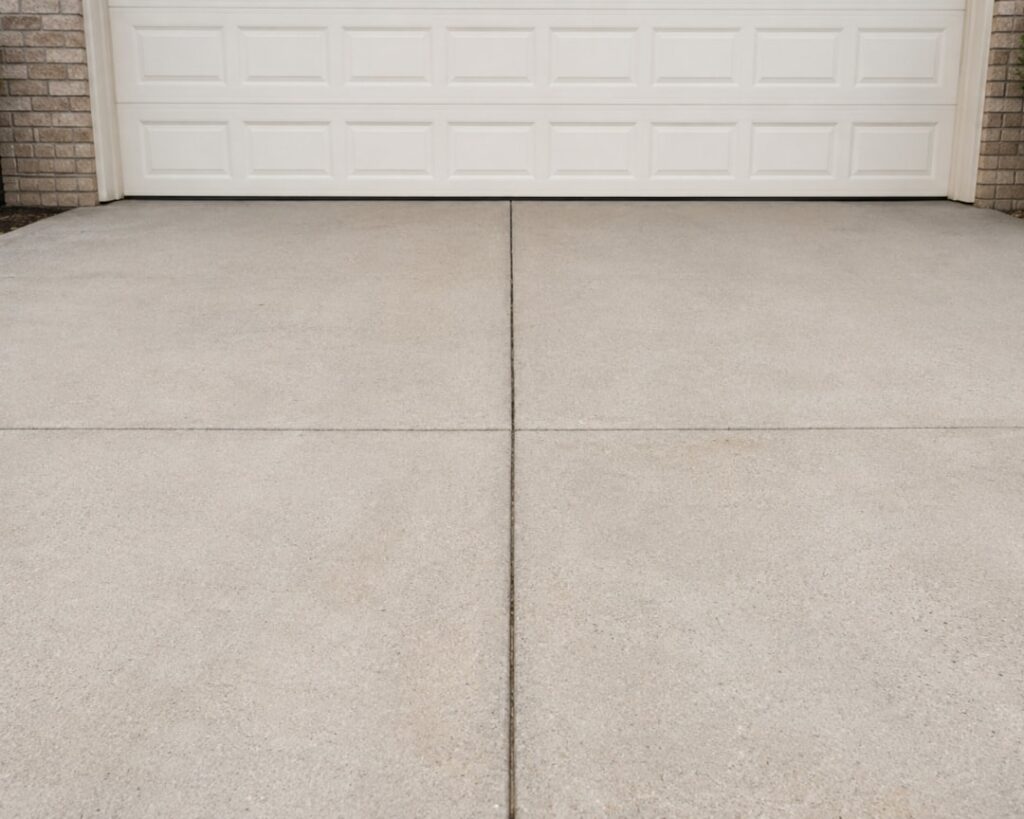
Why Seal Concrete Surfaces at All?
Sealing exterior concrete in Madison, WI helps protect against water, chemical, and weather-related damage. Sealed concrete forms a barrier that reduces moisture penetration, minimizes surface deterioration, and helps prevent stains and freeze-thaw cracking. Without proper sealing, local driveways, patios, and sidewalks can show premature wear and lose their appearance more quickly, especially given the city’s freeze-thaw climate and regular use of de-icing salts in winter.
Even the most durable concrete is somewhat porous. When left unsealed, water can seep into tiny cracks and pores. As temperatures drop below freezing, water expands at night, contributing to cracking or surface scaling. In addition, road salt and other chemicals used during snowy Madison winters can break down unsealed surfaces, leading to pitting and surface loss.
How Does Sealing Make a Difference for Local Households?
Sealing concrete addresses specific concerns that surface over time in the local environment:
- Prevents salt and deicer damage: Sealing helps lower the risk of pitting and flaking caused by winter salt applications.
- Limits freeze-thaw cycles: Water absorbed into the slab won’t expand and contract as easily during rapid temperature swings.
- Reduces staining: Spilled oil, yard debris, and common outdoor pollutants are less likely to leave lasting marks.
- Eases maintenance: Sealed surfaces are smoother and easier to clean than bare or deteriorating concrete.
In Madison’s residential neighborhoods, where driveways and walkways must withstand both harsh winters and hot, sunny summers, property owners often find that regular sealing greatly extends surface life and preserves curb appeal.
When Should You Seal or Reseal Concrete?
Most new, standard concrete installations benefit from an initial seal after they have cured properly—usually 28 days post-installation. After that, resealing is typically recommended every 2 to 5 years, though frequency depends on several factors:
- Exposure to traffic: High-use driveways may need sealing more often than sheltered patios.
- Seasonal use of salts or deicers: Heavy winter salt use can wear down a sealer faster.
- Visible wear: If you notice color fading, water soaking in instead of beading, or patches where the original finish is gone, it’s time to consider resealing.
Madison residents should aim to schedule sealing projects during dry, mild stretches—late spring to early fall is ideal, as both concrete and air temperatures should generally be above 50°F for best results. Trying to seal during humid or rainy spells, or just before a freeze, can lead to poor adhesion or uneven results.
What Types of Sealers Work Best for Local Conditions?
Different products provide different levels of protection and appearance. Commonly used sealers for exterior concrete in Madison include:
- Penetrating sealers: Soak into the concrete and create a barrier below the surface, which helps with freeze-thaw resistance and does not change appearance.
- Acrylic sealers: Form a protective film on top of the concrete and can enhance surface color or add a gloss, but may require more frequent reapplication.
- Epoxy or urethane coatings: Less common for outdoor flatwork but provide a very strong surface barrier; best suited for garages or indoor applications.

For general use on driveways and sidewalks, most area residents opt for a high-quality penetrating sealer or low-sheen acrylic, both of which provide strong protection without making surfaces slippery.
Common Misconceptions About Concrete Sealing
Many people assume all concrete needs to be sealed, but some surfaces—such as vertical walls, old sidewalks with severe erosion, or colored and stamped decorative work—require specialized products or techniques. Another misconception is that sealing is a one-time process; in reality, sealers wear down from sunlight, foot, and vehicle traffic, so periodic maintenance is part of protecting exterior slabs.
It’s also easy to think that sealing will “fix” existing cracks or pitted areas, but sealers act as preventative protection rather than repair. Pre-existing damage should be repaired before sealing for best results.
Are There Risks or Downsides to Sealing?
Applying the wrong type of sealer, sealing at the wrong time of year, or over-applying product can all create headaches. Common pitfalls include:
- Trapping moisture: Sealing concrete that is still wet or hasn’t fully cured can lead to white spots or surface hazing.
- Slipperiness: Some glossy sealers create slick surfaces, especially when wet; slip-resistant additives are sometimes used for pathways.
- Sealer incompatibility: Mixing products or switching brands without proper preparation can cause peeling or clouding.
Reading product instructions carefully, observing the weather forecast, and being patient with surface prep prevents most issues. For unique surfaces, especially decorative or colored concrete, checking product compatibility is worth the extra effort.
How Can Local Residents Spot When Sealing Is Needed?
Simple visual checks can be surprisingly effective. On a dry day, sprinkling water across the surface should cause droplets to bead up if the sealer is still effective. If the water soaks in quickly, it’s likely time for another coating. Residents may also notice more difficulty in cleaning spills or increased dusting—fine powder forming on the surface can be a sign of wear.
Responding early to these signs, especially in the months following winter thaw, helps area households get ahead of potential problems before they become costly repairs.