

 See My Latest Article on HelloNation
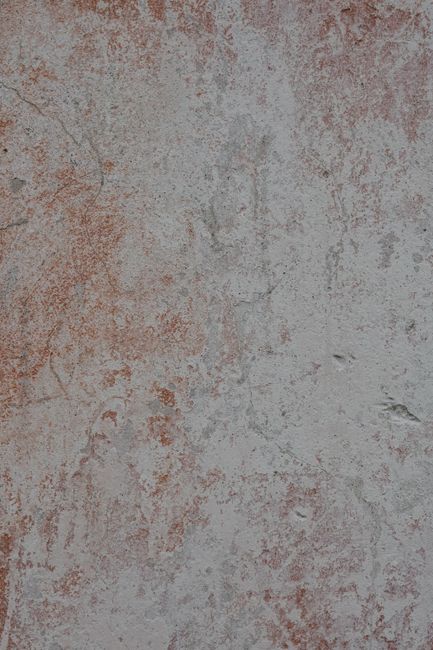
Concrete stains are usually easier to remove when the material causing them is identified first. Oil, rust, algae, leaf tannins, paint, and winter deicing residue each respond to different cleaning methods, and using the wrong product can spread the stain or damage the surface.
What should be done before cleaning stained concrete?
Start by identifying the stain, checking the concrete’s condition, and testing any cleaning method in a small hidden area. Fresh stains are generally easier to remove than stains that have soaked into porous, weathered concrete.
Before cleaning:
- Remove loose dirt, leaves, gravel, and debris with a broom or shop vacuum.
- Keep children and pets away from the work area.
- Wear gloves, eye protection, long sleeves, and shoes with good traction.
- Read the label and safety instructions for any cleaner.
- Protect nearby plants, finished surfaces, and storm drains.
- Test the solution on an inconspicuous section before treating the entire slab.
Avoid mixing cleaning products. In particular, never combine bleach with ammonia, acids, or other household chemicals. Concrete cleaning can also produce contaminated runoff, so washing residue into a street drain should be avoided.
How can oil and grease be removed from concrete?
Oil and grease are best treated by absorbing the fresh spill first, then using a degreasing cleaner for the remaining residue. Do not begin with a pressure washer because high-pressure water can spread oil across a larger area and push it deeper into the slab.
For a fresh spill, cover the area with an absorbent material such as clay-based absorbent, unscented cat litter, or a commercial oil-absorbent granule. Leave it in place for several hours or overnight, then sweep it up and dispose of it according to local waste requirements.
For the remaining mark:
1. Apply a concrete-safe degreaser or a small amount of dish detergent mixed with warm water.
2. Scrub with a stiff nylon brush.
3. Let the cleaner sit for several minutes without allowing it to dry.
4. Blot or rinse with a limited amount of clean water.
5. Repeat if necessary.
Deep oil stains may require several treatments. A darkened area may remain even after surface oil has been removed because petroleum has penetrated the pores. Solvent-based products should be used cautiously and only when the label specifically allows use on concrete. They can create fire, health, and runoff hazards.
What removes rust stains from concrete?
Rust stains usually require a rust-removal product labeled for concrete or a carefully selected mild acid treatment. Ordinary soap and water rarely remove established rust because the discoloration is caused by iron compounds rather than surface dirt.
Rust may come from metal furniture, fertilizer, irrigation equipment, reinforcing steel, or runoff from an adjacent metal object. Remove or correct the source before cleaning, or the stain may return.
A concrete-safe rust remover is generally the most predictable option. Follow the product’s dilution, dwell-time, ventilation, and rinsing instructions exactly. Acidic cleaners can etch concrete, discolor decorative finishes, damage nearby metal, and harm plants. Never use an acid cleaner on a surface that has already been treated with bleach or another incompatible chemical.
If rust is emerging from cracks or from within the slab, cleaning will only improve the appearance temporarily. Continued staining may indicate corroding reinforcement or another underlying moisture problem that requires assessment.
How are leaf, grass, and organic stains cleaned?
Brown or yellow stains from leaves, grass, mulch, and other organic matter often respond to an oxygen-based cleaner or a diluted concrete-safe cleaning solution. These stains are common after wet autumn conditions, especially where leaves remain against a slab for extended periods.
Sweep away the organic material first. Apply the cleaner according to its instructions, allow appropriate dwell time, and scrub with a nylon brush. Rinse thoroughly but avoid directing concentrated runoff toward landscaping or drainage structures.
Chlorine bleach can lighten organic discoloration, but it is not always the best first choice. It may harm plants, irritate skin and lungs, and leave runoff that creates environmental problems. Never mix bleach with acids, ammonia, vinegar, or other cleaners.
To reduce repeat staining, keep leaves from collecting in corners, improve drainage where practical, and avoid storing damp mulch or plant material directly on concrete.
How can algae, moss, and mildew be removed?
Green, black, or slippery growth should be cleaned with a concrete-safe algaecide, oxygen-based cleaner, or mild detergent solution followed by thorough scrubbing. The growth often returns when the surface stays shaded and damp.
Remove loose growth with a stiff brush. Treat the remaining film, allow the cleaner to work as directed, and rinse without forcing contaminated water into nearby waterways. Pressure washing may remove visible growth, but it does not correct the moisture conditions that support it.
In Madison, WI, freeze-thaw cycles can worsen small surface defects when water remains in rough or cracked areas. Improving drainage, trimming vegetation that blocks airflow, and keeping downspouts from discharging onto the slab can help the surface dry more quickly.
Do not use a pressure washer on severely cracked, scaling, or flaking concrete. High pressure can remove weak surface material and leave a rougher appearance.
What is the safest way to remove paint from concrete?
Paint removal depends on the type of paint, how long it has cured, and whether the concrete is smooth, broom-finished, sealed, or decorative. Begin by scraping loose paint with a plastic or carefully controlled metal scraper. Avoid gouging the slab.
For remaining paint, use a remover specifically labeled for concrete and compatible with the surface finish. Apply it in a small test area first. Some products soften paint so it can be lifted, while others require absorbent material to capture the dissolved coating.
Older painted surfaces may contain hazardous materials. If the paint is very old, heavily layered, peeling extensively, or being removed from a large area, avoid sanding or dry grinding until the coating has been evaluated. Dust from old coatings can be harmful if inhaled.
Paint removers should not be washed directly into soil or storm drains. Collect softened paint, residue, and contaminated absorbent material for proper disposal.
How should salt and winter deicing residue be cleaned?
White, powdery deposits after winter are often salt residue or efflorescence. Sweep the surface dry first, then scrub with warm water and a stiff nylon brush. A concrete cleaner designed for mineral deposits may help with stubborn buildup.
Repeated use of deicing products can contribute to surface scaling, especially when concrete is young, saturated, or already damaged. Cleaning will not repair flaking or exposed aggregate caused by freeze-thaw deterioration.
Use only the amount of deicer needed for safe walking conditions, remove slush promptly, and avoid striking scaled areas with metal shovels. During spring cleanup, rinse in a controlled manner rather than pushing concentrated salty water onto plants or into drainage systems.
When is a stain actually concrete damage?
A stain may be more than a cosmetic problem when the surface is soft, crumbling, flaking, deeply cracked, or repeatedly wet. Dark marks that return after drying can indicate ongoing moisture intrusion rather than dirt.
Cleaning should stop if the concrete begins shedding material, if cracks widen, or if a chemical causes unusual discoloration or fumes. Deep oil contamination, widespread paint removal, rust emerging from inside the slab, and damage near structural elements may require specialized evaluation for safety and proper disposal.
A clean-looking surface is not necessarily a sound one. Before applying sealer or paint, allow the concrete to dry fully and confirm that the surface is stable, clean, and free of residue. Sealing over oil, moisture, salts, or loose material can trap problems beneath the coating and cause peeling.
How can future concrete stains be prevented?
Routine maintenance is usually more effective than aggressive cleaning after stains have set. Sweep regularly, remove leaves promptly, repair leaking vehicles or equipment, and keep plant containers from holding water directly against the slab.
For driveways, patios, and walkways, maintain functioning gutters and downspouts so water does not repeatedly collect in one area. A compatible sealer may reduce absorption on sound concrete, but it will not correct drainage problems or protect damaged concrete indefinitely.
In a climate with wet seasons, summer humidity, and repeated winter freezing, early attention matters. Removing spills quickly, keeping the surface reasonably dry, and addressing cracks or drainage issues can prevent a small discoloration from becoming a larger maintenance problem.