

 See My Latest Article on HelloNation
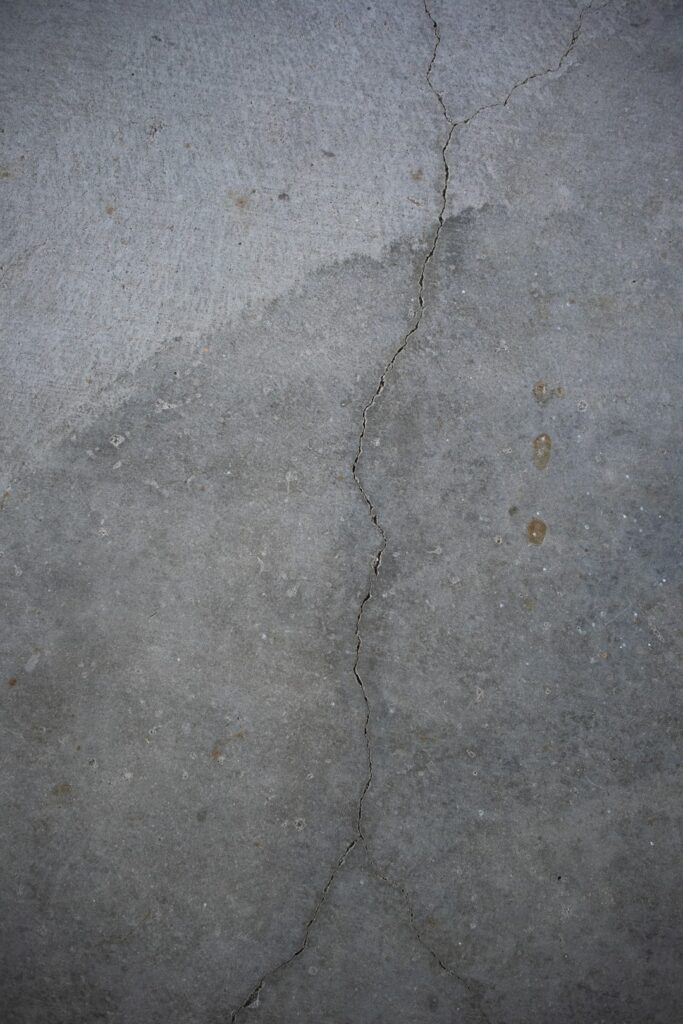
Rain and freshly poured concrete can be a difficult combination, but the outcome depends on timing, rainfall intensity, surface condition, and how the slab is protected. A light shower after the concrete has begun to harden may cause little harm, while heavy rain during finishing can permanently damage the surface.
Does rain ruin freshly poured concrete?
Rain does not automatically ruin new concrete. The main risk occurs while the concrete is still plastic, meaning it has not developed enough firmness to resist water, footprints, tools, or surface disturbance.
Fresh concrete contains carefully measured amounts of cement, water, and aggregate. Additional rainwater can dilute the cement paste at the surface, wash away fine particles, create a weak layer, or change the finished texture. If rainwater collects on the slab and is worked into the concrete, the damage can extend below the surface.
The timing matters:
- Before placement: Rain can saturate the soil or gravel base, creating soft spots and drainage problems beneath the slab.
- During placement: Rain can interfere with spreading, screeding, floating, and finishing.
- Shortly after finishing: Rain may mark the surface, wash cement paste away, or create a weak, sandy layer.
- After the surface has hardened: Rain generally has much less effect on the concrete itself.
A slab may look acceptable immediately after a storm and still develop dusting, scaling, exposed aggregate, or premature wear later.
What happens if rain falls during the pour?
If rain begins while concrete is being placed, work may need to stop temporarily. The unfinished area should be protected without trapping water directly against the surface or allowing runoff to flow across it.
Rain can cause several types of damage:
Surface erosion
Drops and flowing water can disturb the cement paste at the top of the slab. This may leave shallow pits, streaks, rough patches, or areas where aggregate becomes visible.
Excess water near the surface
Water that remains on top of fresh concrete can be absorbed or mixed into the finishing process. This increases the water-to-cement ratio at the surface, usually making that layer weaker than the concrete below it.
Delayed finishing
Concrete should not be finished while rainwater is sitting on the surface. Trying to smooth the slab too soon can press excess water downward and bring additional paste to the top. The result may be a soft, dusty surface that wears away under foot traffic, tires, or winter conditions.
Damaged edges and joints
Edges, corners, steps, and control-joint lines are particularly vulnerable because they may not yet have enough strength to hold their shape. Runoff can wash soil beneath forms or disturb the intended slope for drainage.
Is light rain less harmful than heavy rain?
Yes. A brief, light shower is usually less damaging than prolonged or heavy rainfall, especially if the concrete has already begun to stiffen and the surface is protected.
However, “light rain” does not guarantee a problem-free result. Wind-driven rain can strike the slab at an angle, and even a small amount of water can create visible marks if it falls during the final finishing stage. The condition of the surface matters more than the rainfall total alone.
A covered slab may also be affected if the cover rests directly on the concrete. Plastic sheeting, tarps, or other materials should be supported so they do not imprint the surface, collect water in low spots, or allow runoff to drain onto the slab.
How long should concrete be protected from rain?
The most vulnerable period is the first several hours, while the surface is still soft enough to be marked or reshaped. The exact time varies with temperature, humidity, wind, mix design, slab thickness, and the amount of sunlight.
Protection should continue until the concrete can resist surface damage from falling water and coverings. That does not mean the concrete has reached full strength. Concrete continues to gain strength for weeks, but its early surface condition is established much sooner.
In Madison, WI, weather can change quickly during spring and summer storms. A warm, windy afternoon may cause the surface to stiffen faster, while cool, damp conditions can delay hardening. A forecast that shows rain several hours after placement may still require planning because the concrete may not be ready when the storm arrives.
Can plastic be placed directly on new concrete?
Plastic can help protect fresh concrete from rainfall, but placing it directly on the surface can create its own problems. Contact between plastic and soft concrete may leave wrinkles, color differences, shiny patches, or texture changes.
A better protective setup keeps the covering above the surface where possible and secures the edges so wind cannot lift it. Water should not be allowed to pool on the cover and press against the slab. Covering materials also need to avoid damaging forms, edging, adjacent landscaping, or drainage paths.
If rain is expected before a pour, it is often safer to delay placement than to rely on emergency protection after the concrete is already in place. The decision depends on the size of the area, storm timing, access, and the ability to cover the work quickly.
Should rainwater be brushed or squeegeed off?
Rainwater should not be worked into fresh concrete with a broom, float, trowel, or squeegee. Doing so can force water into the surface and disturb the cement paste.

Once the concrete has hardened enough to resist marring, standing water can be removed carefully if necessary. Before that point, the safest approach is to prevent runoff from crossing the slab and allow the concrete to continue setting under appropriate protection.
Adding dry cement to absorb water is also not a reliable repair. It can create an inconsistent surface and may hide deeper damage rather than correct it.
How can rain damage be recognized later?
Possible signs of rain-related damage include:
- A soft or chalky surface that produces dust
- Flaking or peeling after freeze-thaw cycles
- Shallow craters, streaks, or wash marks
- Areas where coarse aggregate is unusually exposed
- A rough texture that differs from the rest of the slab
- Surface scaling after the first winter
- Low spots where water collects because the finished slope changed
Not every surface imperfection is caused by rain. Poor curing, excessive finishing, an overly wet mix, freezing temperatures, or inadequate base preparation can produce similar symptoms.
For that reason, evaluation should consider when the rain occurred, how long it lasted, whether water was present during finishing, and whether the affected area is limited to the surface or extends deeper.
What about cold rain or an early freeze?
Cold rain creates two concerns: slower setting and the possibility of freezing before the concrete has developed enough strength. A freeze can disrupt the internal structure and leave the slab weaker, even if the surface appears normal.
Fall pours require attention to overnight temperatures, while spring work can be affected by cold ground and wet subgrades. In this region, protection may need to address both rain and temperature rather than treating them as separate issues.
A newly placed slab should also be kept free of foot traffic, bicycles, vehicles, salt, and standing water until it has gained sufficient strength. The waiting period depends on the concrete mixture and conditions, not just the calendar.
When does rain damage require removal and replacement?
Minor surface marks may be repairable, while widespread surface weakness may require removal and replacement. The key question is whether the affected layer is merely cosmetic or whether it cannot withstand normal use and seasonal weather.
A simple field observation is to inspect whether the surface is hard and sound or whether it powders, flakes, or breaks away under light abrasion. More serious concerns include deep erosion, exposed reinforcement, displaced edges, poor drainage, or cracking associated with a weak base.
For driveways, walks, patios, and steps, rain-related damage should be assessed alongside Madison’s freeze-thaw conditions. A surface that seems adequate in mild weather may deteriorate quickly when water enters pores, freezes, expands, and repeatedly thaws.
The most reliable protection is planning the placement around the forecast, preparing covers in advance, preventing runoff from reaching the slab, and avoiding finishing operations while water is present on the surface.